
Virtual Drag
Virtual Drag (2016) is a 360 VR video available on YouTube, created by Alison Bennett, Megan Beckwith, and Mark Payne, featuring drag artists Philmah Bocks, Art Simone, Jackie Hammer, and the Transylvanian G. Kings.
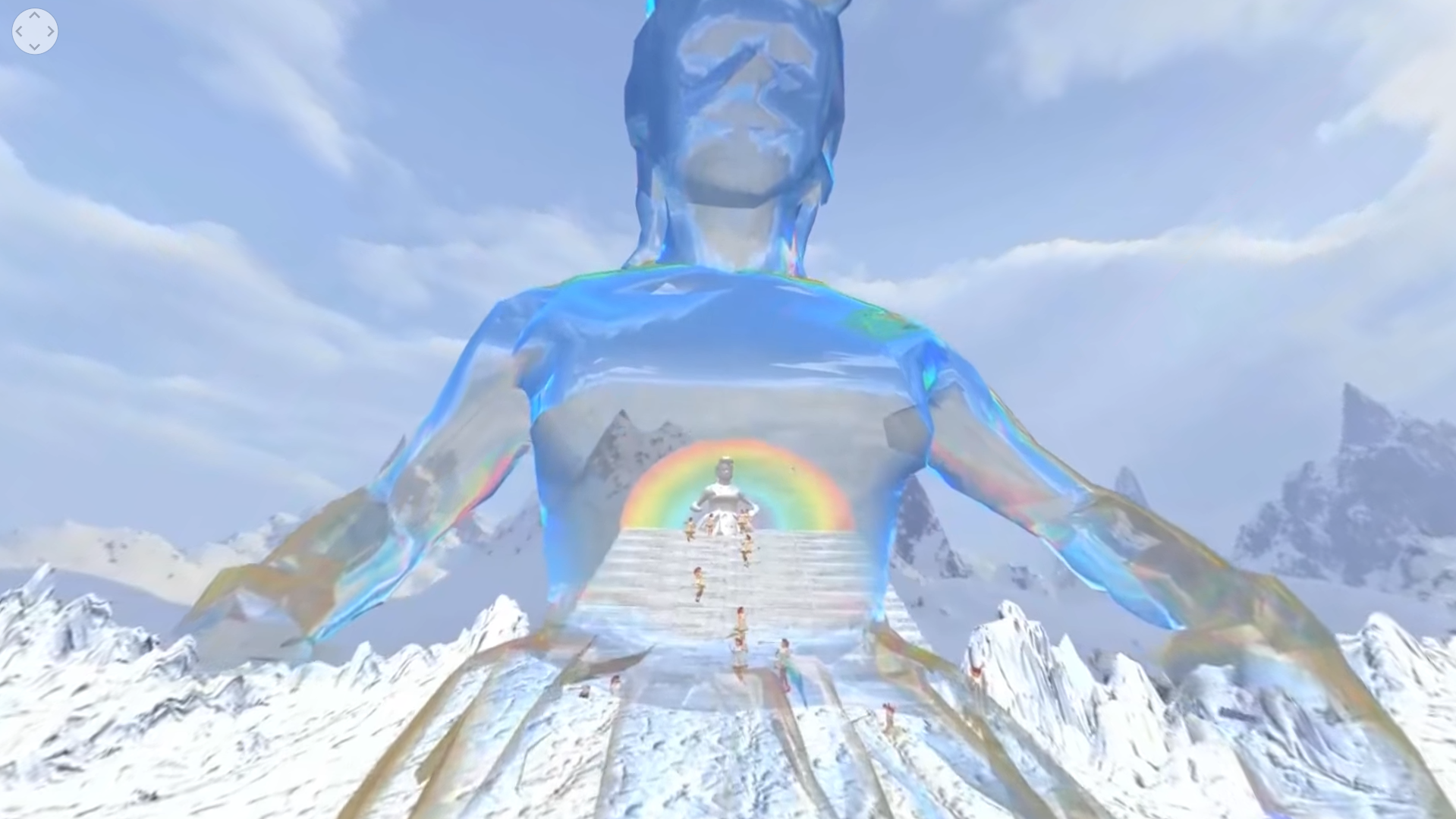
Figure 1. Screenshot of 360 VR video Virtual Drag (2016), 01:37.
Virtual Drag (2016) was surprising. I think I half expected it to be a commercial project and less an abstracted art VR experience. Maybe because of the way it had read in an article. Maybe because of the forced commercialisation of queerness across the last few decades. Either way I’m sorry to the artist’s for my misjudgement, it’s a good reminder to remove the jaded stick. Virtual Drag (2016) is ethereal, unsettling. I was reminded of my first introduction to my Honours supervisor Dr. Xanthe Dobbie. When they had first entered my studio, walls covered floor to ceiling with images and scrawling concepts and ideas, my staple manic mind-map, Dr. Dobbie gestured to it with the statement “this is a very queer space”. Although I had been out at this time, I genuinely had no idea what they were saying. They met my confusion with no explanation. The more I have unblocked (that damned jaded stick) or unlocked my practice and research from the (now ironic) misconception that I could remove myself from my artwork, the clearer it becomes, that no explanation was required. Virtual Drag (2016) is very queer. It is about queering space, virtual space, queering the digital. It is the unsettlement of space, the uncertainty of form in the sense of fracture into potential space rather than a breaking. A continuity, expanding, glitching from singular, from binary. I think that is what is meant by queering. There is an enmeshing of form and space that blurs clear delineation. Paired with hypnotic aural ambience, Virtual Drag (2016) is a highly immersive experience, even without the aid of a VR HMD the viewer encompassed, transformed through the sense of being a formless and shapeless specter floating in the virtual world.
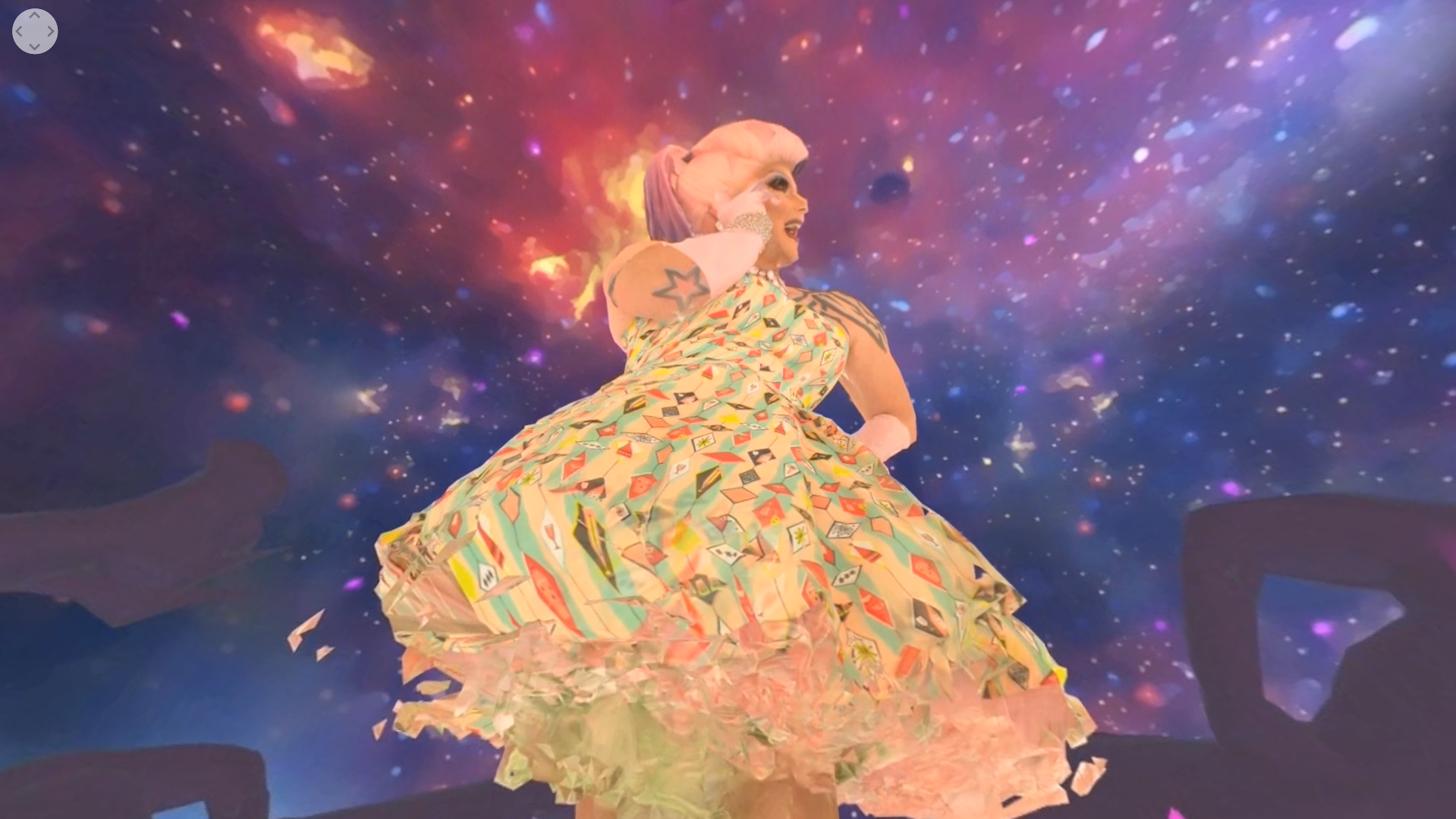
Figure 2. Screenshot of 360 VR video Virtual Drag (2016), 00:59.
I wanted to describe the sound more than exploring the visuals here as I find myself more invested in the application of sound design or experimental sound in the project. For my own projects, as I moved into more recent projects, engaging with queerness more intentionally and directly in practice, I found myself shifting from sound design and experimental ambient tracks into music production. Something I have been wrestling with reflecting on this (and many other) shifts, is how horror and abject can reenter my practice as it has been very significant in past and seems to become more relevant to me again. Virtual Drag (2016) (whether intentionally I’m not sure), employs a deep sense of uncanny, discomfort and abject, bringing about elements of horror. I find that the sound amplifies these feelings especially against bright, open environments. I think abject can be a pertinent subject to explore in researching queerness, when considering the experience of being a body as a horror itself, in my practice referring to the trans experience.
The last environment, plunges us into a dark void filled with bodies, a repeated bodily form (name). The arrangement and dark encloser (or open space who knows, in this case it felt claustrophobic to me), was reminiscent of Silent Hill (2006) bubble head nurses (figure 5). I could not say if this was in any way informed by the franchise but the resemblance is uncanny (hah) (see figure 4 and 5 for comparison).
In this final scene, the audio density from earlier retreats as we dip into the void. The track here continuing into industrial ambience or what sounds like slowed drums. The prior bass droning transforms by a distance air near silence, interrupted by sudden clanging. This audio has the quality of when a sound is slowed down significantly, somewhat muted and strained.
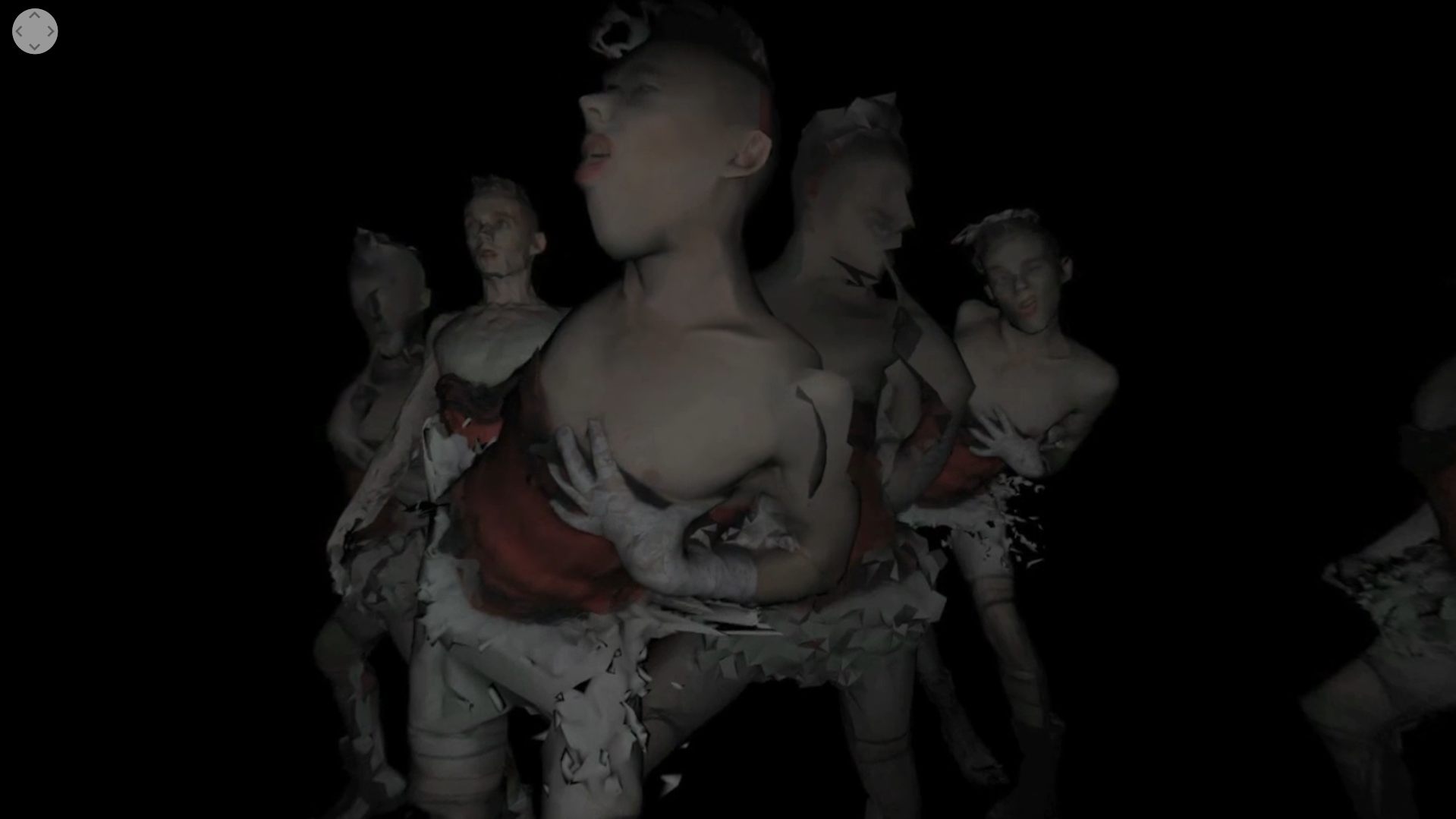
Figure 4. Screenshot of 360 VR video Virtual Drag (2016), 09:24.
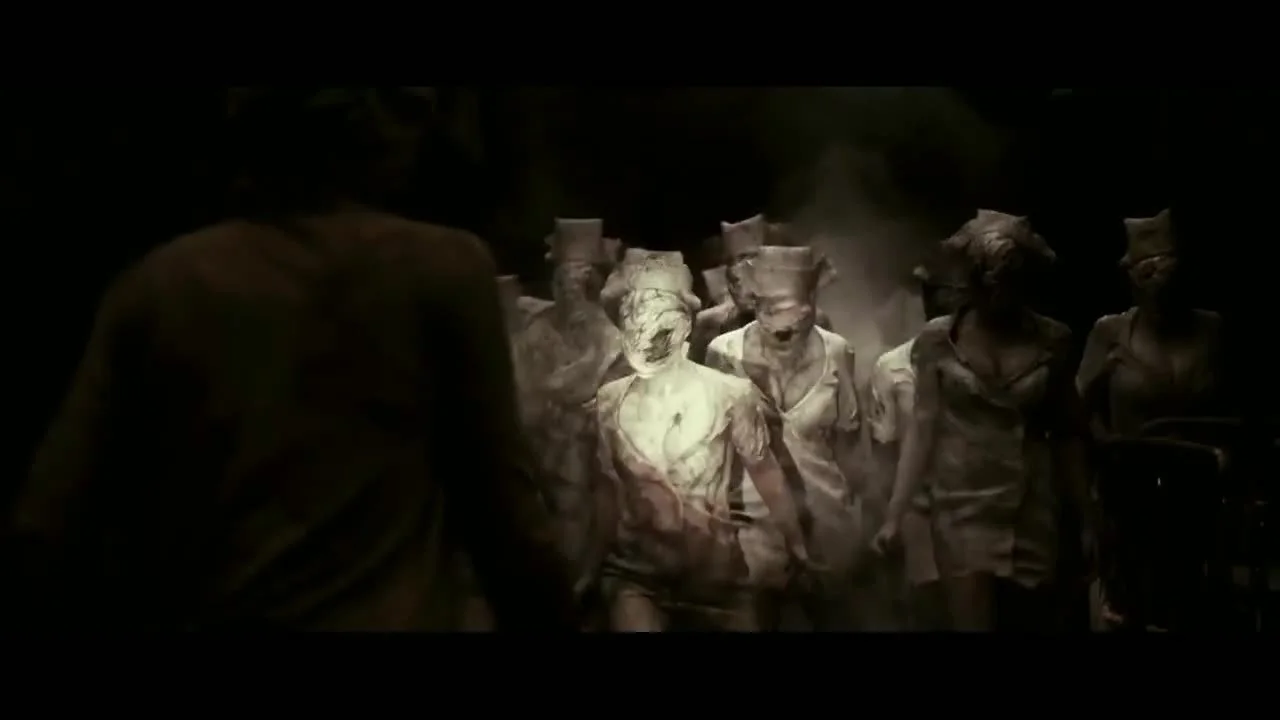
Figure 5. Screenshot from Silent Hill (2006), the bubble head nurse encounter scene.
It’s an obvious (and a bit of an old school) thematic, but I’d be remiss not to mention the presence of aural and visual juxtaposition between artifice and nature. The virtual worlds are visually artificial, they don’t seem to intend to replicate outside reality or complete existing environments. Even the photogrammetry scanned room in the third scene (I am excluding the title card scene from this count), exists in fragments and distortions.
The audio shifts and changes across the experience but maintains an uncanniness. Beginning with a dense, bass drone filling the aural space of the galaxy sky/alien planet environment. That in itself I would consider a bit of a juxtaposition: between the virtual environment of space to a dense aural space. Moving into the arctic, weirdcore shrine environment the track shifts into lighter, ethereal sound. The audio begins to sound more like a track that has been slowed and reversed combined with bird calls trilling, it almost sounds crystalline. This mimics the glass/crystal humanoid figures the viewer (the simulated first-person camera) passes through. Entering into a photogrammetry scanned environment, an almost “real” space, the sound becomes gravelly and rough, as though a microphone was dragged or plunged underwater with liquid and debris passing by.
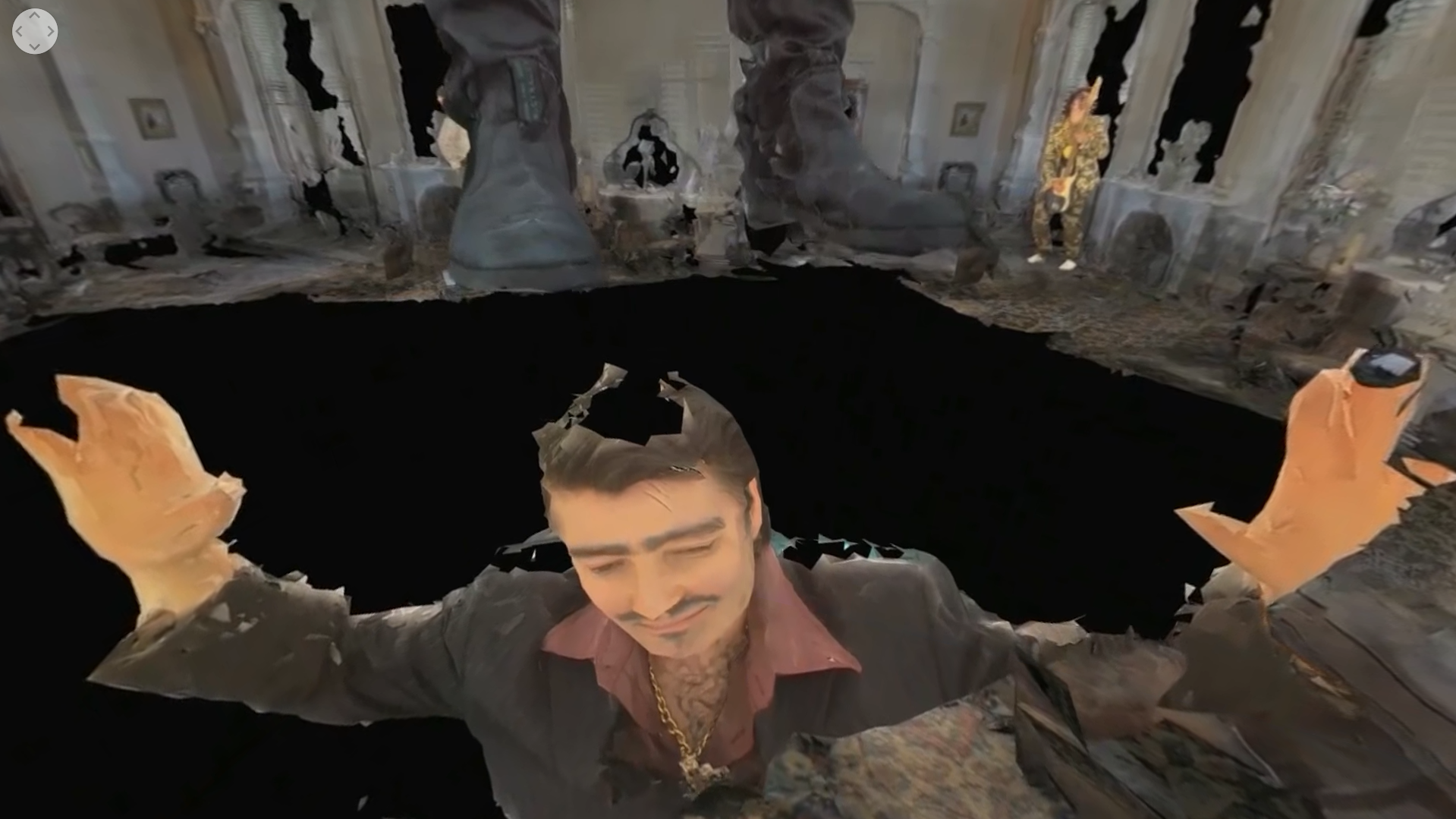
Figure 3. Screenshot of 360 VR video Virtual Drag (2016), 06:44.
All the sound pulls, the way the camera view pulls the viewer through virtual space. There is a constant sense of movement visually and aurally. Which brings me to the use of linear movement. We begin still, able to rotate the 360 degree view, then drawn through a straight line in two scenes to an ending point with the same format as the start. Although there are breaks in-between (fading to black screen), the line is apparent, though the destination is unknown between vastly different virtual worlds. I too have used this format in VR experiences as it is the easiest progression for editing it together. This is something I am looking into, ways to break or bend or find a way around the binary of computing (behind animating and vr/game development) in line with breaking binaries conceptually speaking.
That said, the format of Virtual Drag (2016) reminds me too of Osamu Sato’s PlayStation game LSD: Dream Emulator (1998). The experience has the player moving through digital environments based on dreams, simulating abstraction and nonlinearity. Of course, it is still linear in format but the simulation of nonlinearity is applied by the use of a randomiser. Environments are disconnected, fading to black or to a solid colour screen inbetween to load into another space. The order of which environment comes next is randomised between several elements, providing an illusion of a nonlinear walking simulator. Although in the case of Virtual Drag (2016) there are few environments the distant aesthetics visually and being separate builds in a sense provides a similar illusion.
The use of photogrammetry itself to bring it back feels like a queering, in the same way nonlinear formatting does. Glitch is embraced in the project, it is clearly on display and imbedded in the project. The scans of the drag artists are in part fragmented and never singular forms, even repeated forms are altered, glitched, changed. I’m reminded of Legacy Russel’s Glitch Feminism: A Manifesto (2020); harnessing the glitch as a mode of creation, an expression of queerness. Fragmentation as a space of change and transmogrification. Even in the 3D digital environments, these glitched scans of forms, of bodies, don’t seem separate or out of place. Everything feels like an extension upon each other, forms in conversation not contradiction, this alien space does not feel unfamiliar, it feels uncanny, familiar, queer.
References
Bennett, Alison, Megan Beckwith, and Mark Payne. Virtual Drag - 360 VR Video. 2017. YouTube video, 10:06. https://www.youtube.com/watch?v=W3sTRVKZUyU.
Osamu Sato. 1998. LSD: Dream Emulator. Asmik Ace Entertainmnt, 1998. PlayStation.
Russell, Legacy. Glitch Feminism: A Manifesto. Verso, 2020. http://ebookcentral.proquest.com/lib/rmit/detail.action?docID=6297948.
Silent Hill, directed by Christophe Gans, (TriStar Pictures, 2006), DVD.
